Understanding skin health: common concerns and contributing factors
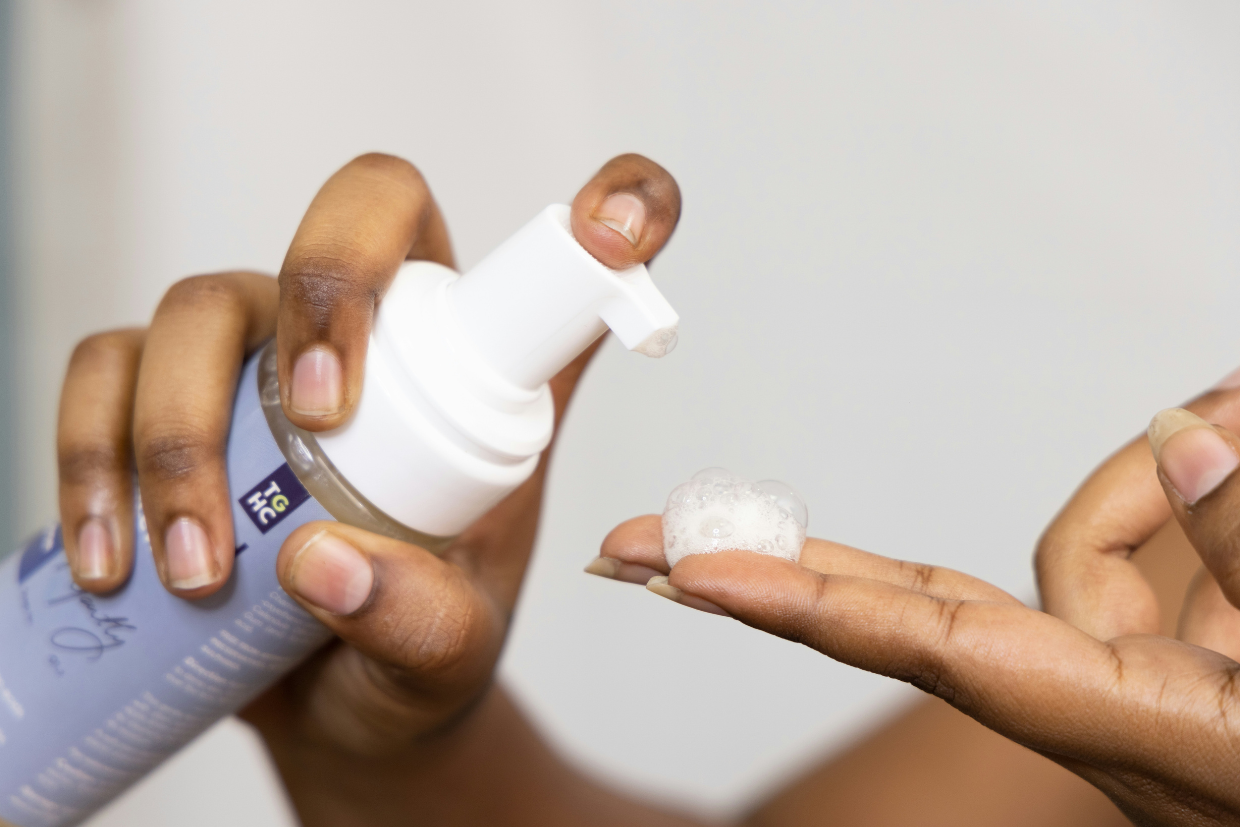

Your skin changes throughout your life. At different times, you may notice changes in oiliness, dryness, texture, sensitivity or appearance. Some are part of normal ageing or a temporary response to your environment. Others may reflect a skin condition or a reaction to something your skin encounters.
Skin health is about more than having clear or flawless-looking skin. It includes how effectively your skin performs its protective functions, how it feels and whether symptoms or changes persist. This guide explains how the skin works, what can influence it, common concerns including acne, irritation, skin ageing and cold sores, and when to seek advice.
Key points
- Healthy skin does not need to look flawless.
- Skin concerns often have more than one contributing factor.
- A simple, consistent routine may be more helpful than adding numerous products.
- Persistent, painful, recurring or changing symptoms should be professionally assessed.
What does healthy skin actually mean?
Healthy skin is skin that does its job well. It helps protect your body, regulates temperature and gives you your sense of touch. Its outer layers also help limit water loss and form a barrier between your body and the environment.¹,²
That work is shared across two main layers. The epidermis, the outermost layer, continually produces new cells to replace those that shed from the surface. Beneath it, the dermis contains structures including blood vessels, nerves, sweat glands and oil glands.¹
This means healthy skin is defined by how it functions, not by how it looks. Pores, variation in colour and changes with age are not, on their own, evidence of a medical problem. Persistent discomfort, itching, pain or a new change is worth paying attention to, whatever your skin looks like.
Understanding the skin barrier
The term “skin barrier” describes the skin’s protective function, particularly that of its outermost layer. When this barrier is disrupted, skin can lose moisture more easily and become dry or irritated.²
Dryness, irritation and allergy are not interchangeable. Soaps, detergents, fragrances and repeated contact with water can irritate some people’s skin. Allergic contact dermatitis is a different process involving an immune response.³ Because different concerns can look or feel similar, symptoms alone do not always reveal the cause.
Temporary changes and skin conditions
Skin can change with age, hormones, climate, illness, products and everyday habits. A temporary change does not necessarily mean you have a skin condition, while a persistent concern may need assessment even if it initially seems minor.
Try to notice what has changed, when it started and whether it persists or returns. Patterns can provide useful context, but they do not confirm a diagnosis on their own.
Common skin concerns
- Acne and breakouts: spots that form when pores become blocked and inflamed.⁴
- Dry, sensitive or irritated skin: skin that feels tight, itchy or sore, often linked to a disrupted skin barrier.²
- Contact dermatitis: a rash triggered by contact with an irritant or an allergen.³
- Skin ageing and sun-related changes: gradual changes in texture and colour that can be influenced by sun exposure and other factors.⁵,⁶
- Cold sores: small blisters around the lips or mouth caused by the herpes simplex virus.⁷
The sections below explore contributing factors and everyday care. For guidance on persistent symptoms or new and changing spots, see “When should you seek professional advice?”
What influences skin health?
Skin concerns rarely have a single explanation. Factors within your body and things you encounter in everyday life can contribute in different ways.
Genetics and hormones
Your genes help influence how your skin changes with age and your likelihood of developing certain conditions.⁴,⁵ Hormonal changes can influence oil production and may contribute to acne at different life stages.⁴ We look at this in more detail in our articles on hormones and skin health and what causes acne in adults. A health professional can assess symptoms in the context of your medical history.
Sun exposure
UV radiation can affect the skin throughout the year. Because heat and UV are different, a cool or cloudy day does not necessarily mean UV exposure is low.⁶ You can check the daily UV forecast in the SunSmart app or your local weather forecast.⁶
Your environment and products
Products and exposures that suit one person may irritate another. Soaps, detergents, fragrances, repeated contact with water and the combined effect of several products can all matter.³,⁸,⁹ Introducing products gradually can make it easier to notice whether a new product is associated with a reaction.
Stress and individual triggers
Stress may worsen acne and can trigger cold sore outbreaks in some people.⁴,¹⁰ Individual patterns can be useful to notice, but a suspected trigger does not necessarily explain the underlying condition.
Diet and lifestyle
Smoking can accelerate skin ageing.⁵ Diet may also influence some skin concerns, but the relationship is not the same for every person or condition.⁴,⁵ Avoid substantial dietary restrictions based only on an assumed connection; discuss repeated patterns with a qualified health professional.
Everyday ways to support skin health
A useful routine does not need to be complicated or expensive. Start with the basics and adapt them to your skin’s needs.⁹
1. Cleanse gently
Use a gentle cleanser, lukewarm water and your fingertips rather than rough scrubs. Pat your skin dry instead of rubbing it. For facial skin, washing twice daily and after heavy sweating is generally sufficient; repeated washing can irritate it.⁸
2. Moisturise according to your skin’s needs
Apply moisturiser while the skin is still slightly damp if dryness is a concern. Fragrance-free products may be more suitable for dry or sensitive skin.⁹,¹¹ If you are prone to acne, look for products labelled “non-comedogenic”, meaning they are formulated not to clog pores. This does not guarantee that every product will suit you.¹²
3. Make sun protection part of your routine
Cancer Council Australia recommends sun protection whenever UV levels reach 3 or above. Use a combination of covering clothing, a broad-brimmed hat, shade, sunglasses and SPF 50 or SPF 50+ broad-spectrum, water-resistant sunscreen.⁶
Apply sunscreen generously at least 20 minutes before going outside and reapply every two hours, or after swimming or excessive sweating. Sunscreen should be used alongside other protective measures. People spending extended periods outdoors or near reflective surfaces may also need protection when UV levels are below 3.⁶
4. Introduce products carefully
Adding more steps is not always helpful. If a new product is followed by burning, itching or a rash, stop using it and seek advice if it does not settle. Do not assume the reaction means the product is working.³,⁸,⁹
5. Notice patterns without trying to diagnose yourself
If symptoms recur, note when they started, products you have used and any changes in your routine. Photos can help document visible changes over time. Bring this information to an appointment. A pattern can help guide an assessment, but it does not confirm a diagnosis on its own.
When should you seek professional advice?
Speak with a health professional if a skin concern persists, keeps returning, causes pain or affects your daily life. An assessment can help distinguish between concerns that look similar and identify whether you need an in-person examination or further investigation.³
Some changes need more prompt attention:
- A new or changing spot, or a sore that does not heal: arrange an in-person medical assessment, particularly if it changes shape, colour or size, or bleeds.¹³
- A cold sore near your eye: seek medical advice immediately because the infection can affect the eye.⁷
- Red, painful, swollen or warm skin, or a rash with pus or fever: seek prompt medical care, as these can be signs of infection.¹⁴
- Difficulty breathing or swelling of the tongue or throat: call triple zero (000).¹⁵
You do not need to identify the cause before asking for help. Understanding your skin provides a starting point; an individual assessment can help you decide what to do next.
References
1. National Institute of Arthritis and Musculoskeletal and Skin Diseases. Health lesson: Learning about skin.
2. National Institute of Arthritis and Musculoskeletal and Skin Diseases. Atopic dermatitis: Overview, symptoms and causes.
3. NHS. Contact dermatitis.
4. National Institute of Arthritis and Musculoskeletal and Skin Diseases. Acne: Overview, symptoms and causes.
5. American Academy of Dermatology. 11 ways to reduce premature skin aging.
6. Cancer Council Australia. Be SunSmart.
7. Healthdirect Australia. Cold sores.
8. American Academy of Dermatology. Face washing 101.
9. American Academy of Dermatology. Skin care on a budget.
10. American Academy of Dermatology. Cold sores: Who gets and causes.
11. American Academy of Dermatology. Dermatologists’ top tips for relieving dry skin.
12. National Institute of Arthritis and Musculoskeletal and Skin Diseases. Acne: Diagnosis, treatment and steps to take.
13. Cancer Council Australia. Signs and risk factors of skin cancer.
14. Healthdirect Australia. Cellulitis. https://www.healthdirect.gov.au/cellulitis
15. Healthdirect Australia. Anaphylaxis. https://healthdirect.gov.au/anaphylaxis
Disclaimer: This information is not intended to be used as medical advice or a substitute for your own practitioner's advice, nor is it intended to be used for diagnosis or treatment for any illness/disease.