How stress can influence skin conditions
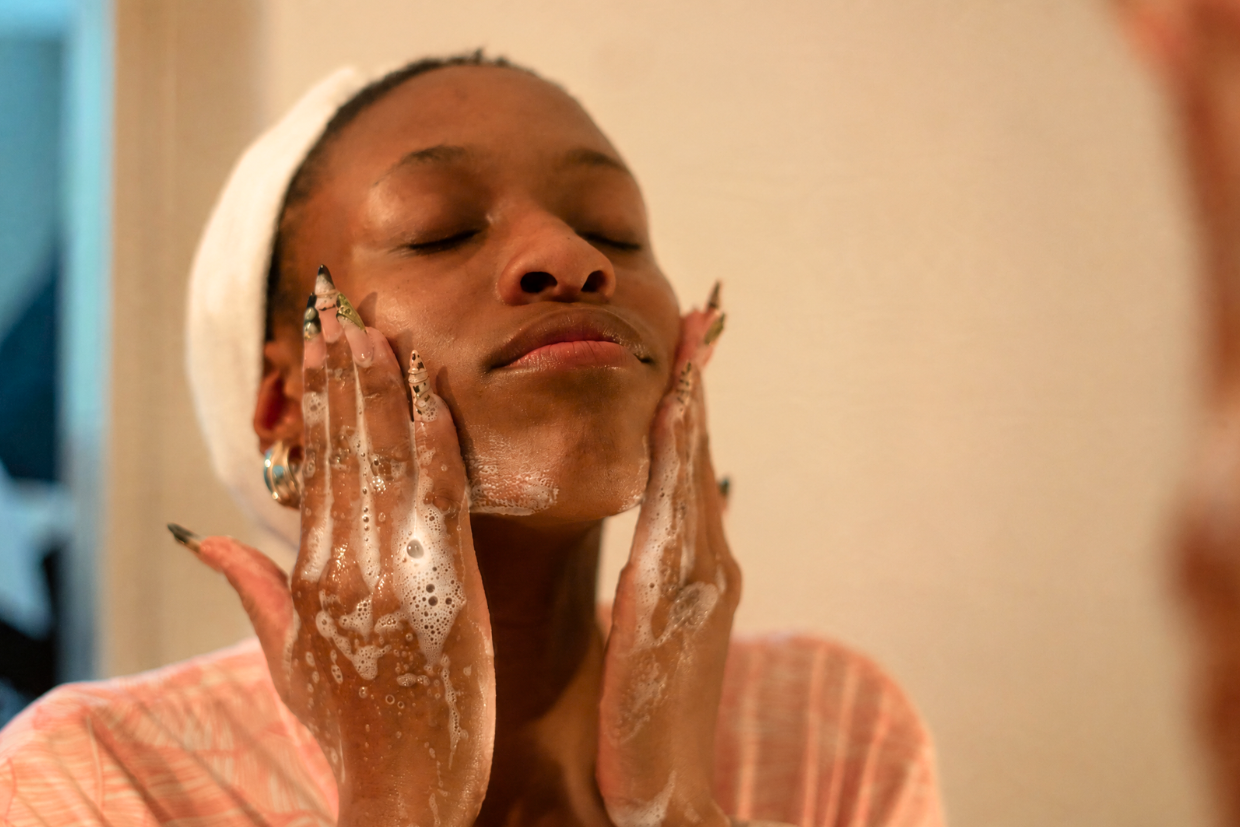

Your skin often shows what the rest of your body is going through. A stressful week at work, a big life change or on going pressure can all leave visible marks. Stress hormones can increase oil production and make skin more sensitive.1 Here’s what’s actually happening beneath the surface and how to support your skin through it.
How stress affects the skin
When you’re stressed, your body releases hormones such as cortisol and adrenaline as part of its natural stress response.1 When that response continues overtime, it can affect several processes in the skin. Psychological stress can impair the skin’s barrier function, the outer layer that helps keep moisture in. Research measuring this directly found that skin under higher stress took longer to recover after being disrupted.2 It can also influence the immune and inflammatory pathways involved in skin health.3
Stress can affect the body’s ability to heal too, with research showing that psychological stresscan slow wound healing.4
Skinconditions commonly influenced by stress
Stress and acne
A study of found that high levels of psychological stress were significantly associated with acne.5 Breakouts often appear along the jawline, chin and cheeks and can be stubborn to shift with a normal routine.
Stress and eczema
Stress is a well-known trigger for eczema flare-ups, alongside things like temperature and skin irritants. 6 It often plays out as a cycle: stress triggers itching, scratching irritates the skin further and that irritation adds to the stress. Eczema Support Australia lists stress among the most commonly reported triggers, alongside dry skin and known allergens. 7
Managing stress to support your skin
Because skin and stress are so closely linked, managing stress is a genuinely useful part of supporting skin health, alongside keeping your skincare routine simple and consistent rather than reaching for new products during a flare-up. Things like regular movement, good sleep and simple breathing exercises can all help take the pressure off.1
Occasional stress-related breakouts or flares are common, but skin conditions that are persistent, severe or affecting your confidence or daily life may benefit from professional support. Our guide on stress: causes, symptoms and how to manage it is a good place to start if stress itself feels like the bigger issue.
For many people, small, consistent changes to how stress is managed can make a genuine difference to how their skin looks and feels over time.
References:
- Healthdirect Australia — Stress
- Garg et al. (2001), Archives of Dermatology — Psychological stress perturbs epidermal permeability barrier homeostasis
- Honeyman JF (2016), Acta Dermato-Venereologica — Psychoneuroimmunology and the Skin
- Gouin & Kiecolt-Glaser (2011), Immunology and Allergy Clinics of North America — The impact of psychological stress on wound healing (free full text)
- Di Landro et al. (2016), Journal of the American Academy of Dermatology — Adult female acne and associated risk factors
- Healthdirect Australia — Eczema
- Eczema Support Australia — Eczema Triggers (reviewed by the Australasian College of Dermatologists)
Disclaimer: Thisinformation is not intended to be used as medical advice or a substitute foryour own practitioner's advice, nor is it intended to be used for diagnosis ortreatment for any illness/disease.