Daily habits that support healthy skin
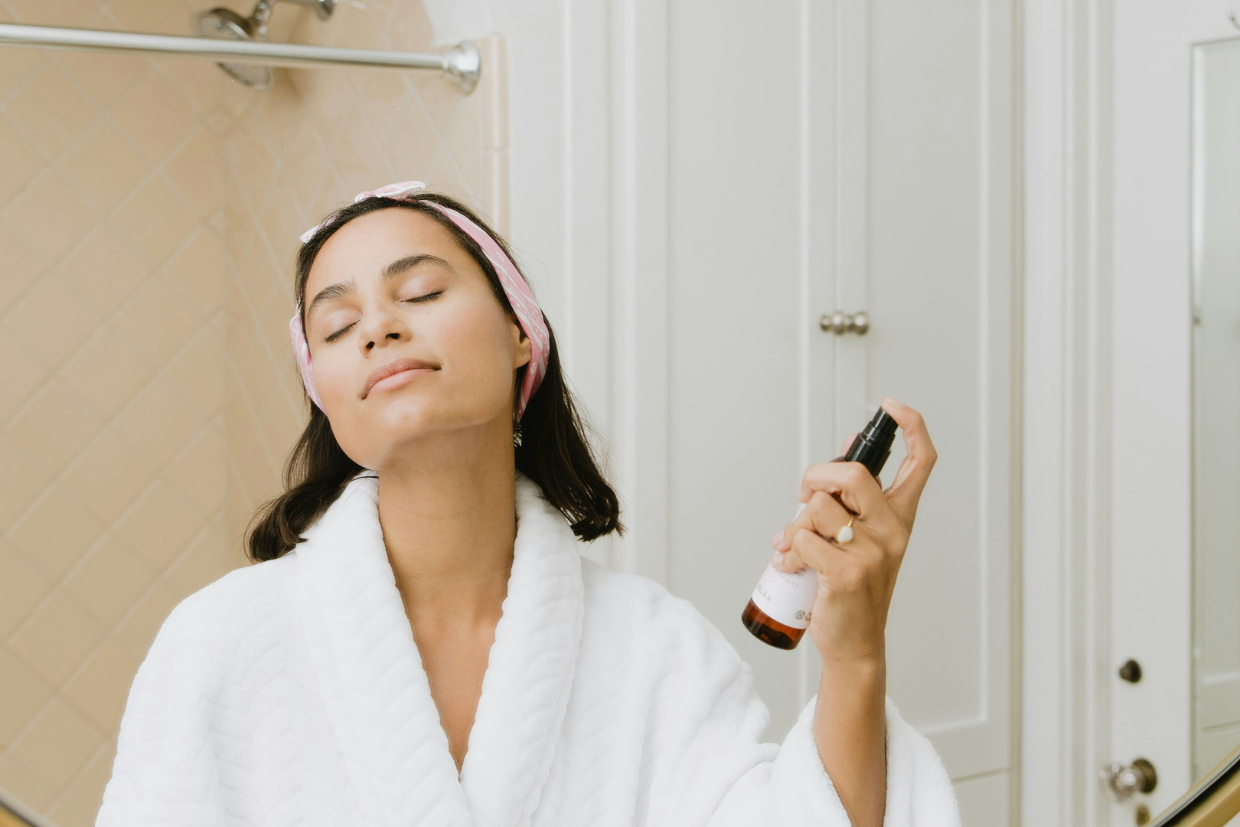

Healthy skin isn't about an expensive routine or the latest ingredient trend but it's about a handful of consistent, evidence-based habits that protect, hydrate and nourish the skin every day. Your skin is your body's largest organ, a thin layer that forms a waterproof barrier and helps protect it from the outside world.¹ Supporting these basic functions matters more than chasing a complicated regimen.
Why daily habits matter more than products
A simple, gentle routine tends to serve your skin better than a complicated one.² Scrubbing too hard, for instance, can irritate the skin barrier and worsen conditions like acne, while sun protection is its own daily essential.²
Habit #1: Protecting your skin from the sun
Sun exposure can cause visible skin ageing and can raise the risk ofskin cancer.³ For the best protection, Cancer Council Australia recommends acombination of five measures: water-resistant SPF50 or SPF50+ broad-spectrum sunscreen, sun-protective clothing, a broad-brimmed hat, shade and sunglasses.4 Because Australia has one of the highest skin cancer rates in the world, these stepsare worth building into your daily routine rather than reserving them forsummer.⁵
Habit #2: Cleansing and moisturising gently
Daily cleansing can be rough on your skin if it's not done gently.³ Patting, rather than rubbing, skin dry afterwards helps retain moisture and applying a moisturiser suited to your skin type soon after washing helps lock that hydration in.³
It's also worth choosing a fragrance-free, hypoallergenic moisturiser. Unscented doesn't always mean fragrance-free, it can just mean more added chemicals instead.6
Habit #3: Staying hydrated from within
Drinking plenty of water is one of the simple habits for keeping skin hydrated.³ That said, dermatologists note the effect has limits, unless you're already under-hydrated, drinking extra water on top of a normal intake is unlikely to noticeably change your skin, since a moisturiser works more directly by reducing water loss through the skin's surface.7
Habit #4: Eating in a way that supports your skin
A balanced diet of fruits, vegetables, whole grains and lean protein supports your skin and fresh produce in particular may help guard against the kind of damage linked to e arly skin ageing.³ Diet has also been linked to acne, with early research suggesting nutrients like fibre and omega-3 fats may help manage breakouts, though more studies are needed before that's confirmed.³ It’s worth paying attention to your diet if breakouts are a persistent concern.
Habit #5: Prioritising sleep for skin repair
Your skin does much of its repair work while you sleep. A clinical trialfrom University Hospitals Case Medical Center found that poor-quality sleepers showed more visible signs of skin ageing and recovered more slowly from stressors like UV exposure and disruption to the skin barrier, compared with good sleepers.8
If your sleep has been inconsistent, our guide to sleep hygiene habits is a useful place to start.
Habit #6: Managing stress and avoiding smoking
Too much stress can make skin more sensitive and trigger acne breakouts andother skin conditions.³ Getting enough sleep, moving more during the day, trimming your to-do list, or simply making time for things you enjoy can help manage stress and support your skin alongside your overall wellbeing.³
Our piece on managing stress has more techniques if you'd like to go further.
Key takeaway
Healthy skin isn't the result of one product or a single habit but it's the sum of consistent choices. From daily sun protection, gentle cleansing, hydration, a balanced diet, quality sleep and lower stress.
If you have ongoing skin concerns that these habits don't resolve, it's worth speaking with a healthcare professional about what's right for your skin.
References
- Healthdirect Australia. Skin. https://www.healthdirect.gov.au/skin
- American Academy of Dermatology. 10 skin care secrets for healthier-looking skin. https://www.aad.org/public/everyday-care/skin-care-secrets/routine/healthier-looking-skin
- Mayo Clinic. Skin care: 5 tips for healthy skin. https://www.mayoclinic.org/healthy-lifestyle/adult-health/in-depth/skin-care/art-20048237
- Cancer Council Australia. Preventing skin cancer with sunscreen. https://www.cancer.org.au/cancer-information/causes-and-prevention/sun-safety/preventing-skin-cancer-with-sunscreen
- Cancer Council NSW. Preventing skin cancer. https://www.cancercouncil.com.au/?p=3876
- Mayo Clinic. Moisturizer tips from a dermatologist. https://www.mayoclinic.org/diseases-conditions/dry-skin/multimedia/moisturizer-tips-from-a-dermatologist/vid-20434565
- WebMD. Does Drinking Water Help Your Skin? https://www.webmd.com/beauty/features/drink-water-skin
- University Hospitals Case Medical Center. Sleep deprivation linked to aging skin, study suggests. ScienceDaily. https://sciencedaily.com/releases/2013/07/130723155002.htm