Why am I waking up so tired?
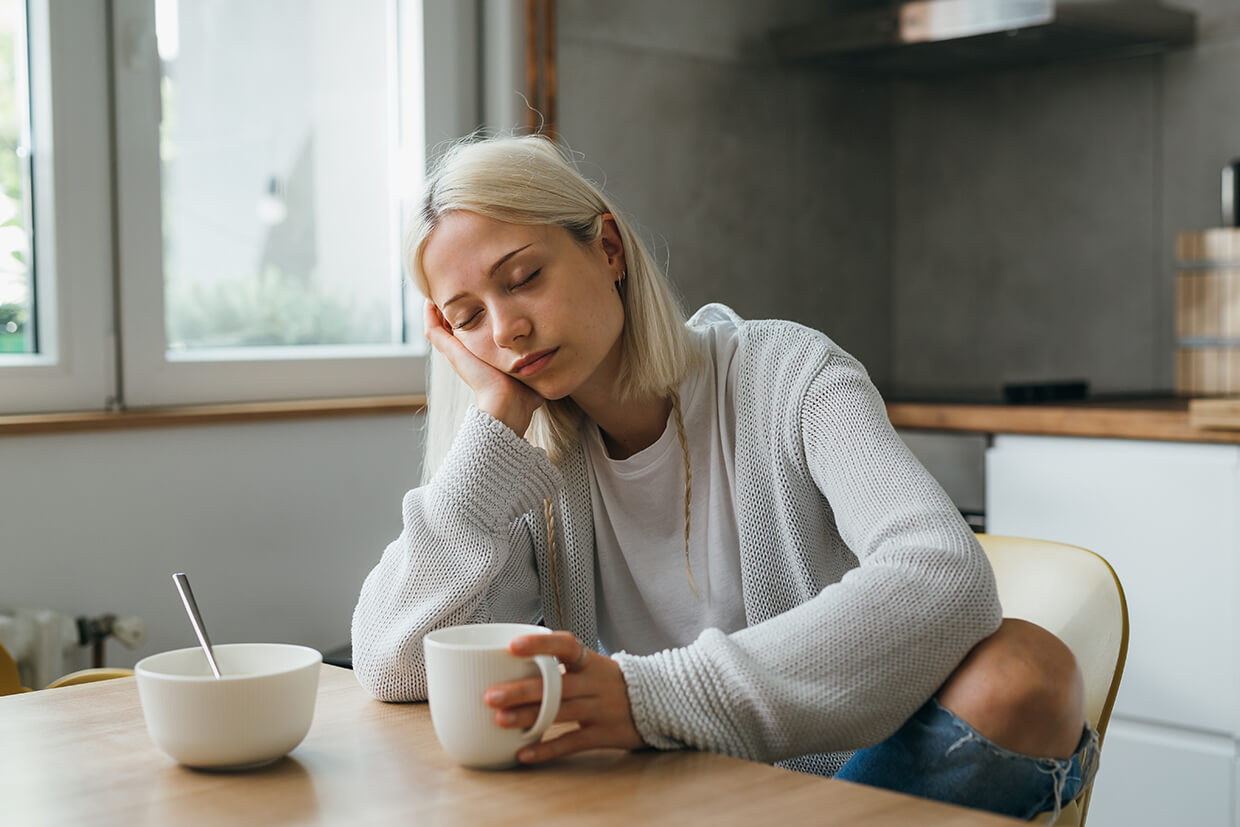

It’s been a long, exhausting day and you can’t wait to get to bed, but what if you can’t get to sleep? Or worse, you wake up feeling like you haven’t slept at all?
Poor sleep is common and can have many possible causes. Often, more than one factor is involved, so it’s worth checking in with your GP to better understand what’s going on. Here are some of the most common reasons people wake up tired.
Mental health and sleep
Anxiety, depression and other mental health concerns can all affect sleep. Anxiety may make it hard to fall asleep, while low mood can leave you feeling fatigued even after a full night’s rest. Likewise, being chronically tired can impact mental wellbeing.
If you’re struggling with how you feel, reach out to someone you trust or speak with your GP or psychologist. Support and treatment options are available.
Stimulants and medications
Substances such as caffeine, nicotine and some medications can delay sleep onset and reduce sleep quality. Coffee, tea, energy drinks and other stimulants are best avoided after lunchtime.
If you take prescription medication that seems to interfere with sleep, speak with your doctor, sometimes a small timing adjustment can make a difference.
Sleep disorders and medical conditions
Ongoing fatigue can sometimes point to an underlying sleep or medical condition.
Common examples include:
• Sleep apnoea, where breathing stops briefly during sleep
• Restless legs syndrome, which causes discomfort and restlessness at night
• Thyroid or metabolic issues, which can influence energy levels
• Other sleep disorders, such as insomnia or nightmares
If you snore, wake frequently, or feel excessively sleepy during the day, book a check-up with your doctor. They can assess for these conditions and arrange further testing if needed.
Circadian rhythm and delayed sleep phase
Our body clock (or circadian rhythm) helps regulate when we feel alert and when we feel tired. When this rhythm is out of sync, for example, after late nights, shift work, or screen time before bed, we may experience delayed sleep phase disorder (DSPD).
You can help realign your body clock by:
• Getting bright light exposure soon after waking (e.g. breakfast near a sunny window)
• Reducing blue light exposure from screens in the evening
• Keeping a consistent sleep–wake schedule, even on weekends
Insomnia
Insomnia refers to difficulty falling or staying asleep and feeling unrefreshed despite adequate opportunity for rest. Chronic insomnia can cause daytime fatigue, irritability, and concentration problems.
Improving sleep hygiene can make a noticeable difference:
• Keep a regular bedtime and wake time.
• Avoid long daytime naps.
• Create a calm, dark, and cool sleep environment.
• Limit screens and bright lights before bed.
• Wind down with relaxing activities in the evening.
If insomnia persists, your GP may discuss further behavioural therapies or short-term medication, depending on your situation.
Tracking your sleep
Keeping a sleep diary can help you and your doctor identify patterns. Record your bedtime, wake-up time, naps, caffeine intake, screen use, and how rested you feel. After a week or two, review this information with a healthcare professional for personalised advice.
When to seek help
Occasional tired mornings are normal but if you’re regularly waking up unrefreshed, feeling drowsy during the day, or noticing changes in mood or focus, it’s a good idea to speak with your GP. They can help determine whether lifestyle changes, further assessment, or treatment may be needed.
References
1. American Academy of Sleep Medicine. International Classification of Sleep Disorders, 3rd ed. 2013.
2. Ramar K, Olson EJ. Management of Common Sleep Disorders. Am Fam Physician. 2013;88:231–238.
3. Lack LC, Wright HR. Clinical Management of Delayed Sleep Phase Disorder. Behavioural Sleep Medicine. 2007;5:57–76.
Disclaimer: This information is not intended to be used as medical advice or a substitute for your own practitioner’s advice, nor is it intended to be used for diagnosis or treatment for any illness/disease.