What are cold sores?
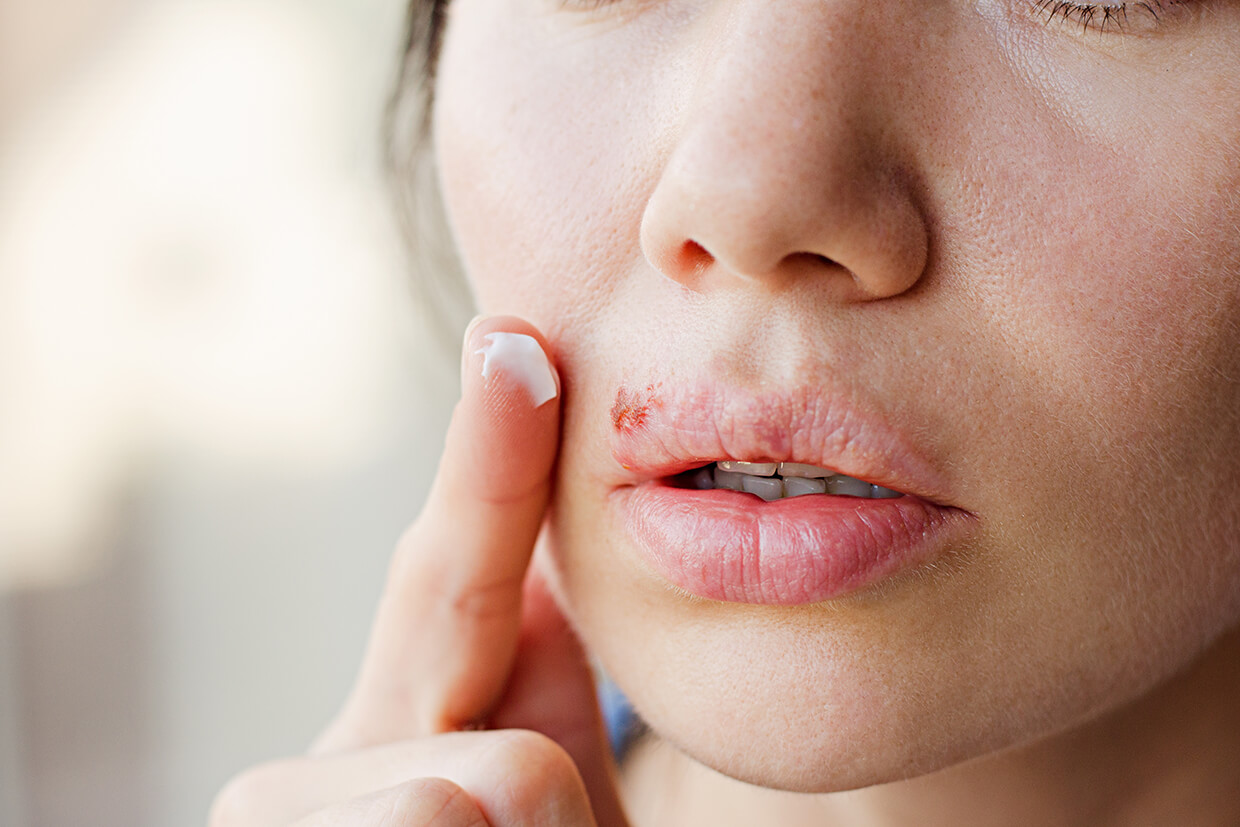

Cold sores are small blisters that develop on or around the lips and mouth, caused by the herpes simplex virus (HSV). Around 90% of adults will be infected with HSV at some stage of their life, but only about a third will experience symptoms.
The virus remains dormant in the body and can reactivate at any time — commonly during periods of stress, illness or fatigue. Most cold sores are caused by HSV-1, while HSV-2 more often causes genital herpes, though there can be overlap.
What symptoms does HSV cause?
Cold sores usually begin with itching or tingling around the mouth. Within a day or two, blisters form that can be painful or warm to touch. These may break open and crust over before healing.
Cold sores typically resolve within about 10 days.
Are cold sores serious?
For most people, cold sores are mild and self-limiting. However, in individuals with weakened immune systems (for example, those undergoing chemotherapy or long-term corticosteroid treatment), symptoms may be more severe or widespread. See your regular GP promptly if you notice signs of bacterial infection (pus, spreading redness, fever), or any symptoms involving the eyes. HSV can occasionally affect the eyes and may cause complications if untreated.
Are cold sores contagious?
Yes, HSV spreads easily through direct contact with saliva or affected skin. You are most contagious when blisters first appear, but cold sores can spread at any stage of the infection.
To help reduce the risk of transmission:
• Avoid kissing or close contact while symptoms are present
• Do not share items like toothbrushes, towels or drinkware
• Avoid oral sex during an outbreak, as HSV can spread to the genital area
Managing cold sores
Cold sores generally heal on their own, but there are treatments that may help ease discomfort or support recovery.
General measures include:
• Applying cold compresses to reduce pain or swelling
• Using a lip balm to prevent dryness or cracking
• Avoiding known triggers such as stress, fatigue or excessive sun exposure
If you experience frequent or severe outbreaks, your doctor may discuss antiviral medicines that can help manage symptoms or reduce recurrence. These medicines need to be prescribed by a registered healthcare professional, who will advise on the best approach for your situation.
References
1. Herpes simplex (cold sores): Causes and Treatment — DermNet NZ
2. Therapeutic Guidelines Ltd (eTG March 2021 edition). Herpes Simplex Virus Infections.
Disclaimer: This information is not intended to be used as medical advice or a substitute for your own practitioner’s advice, nor is it intended to be used for diagnosis or treatment for any illness/disease.