Depression
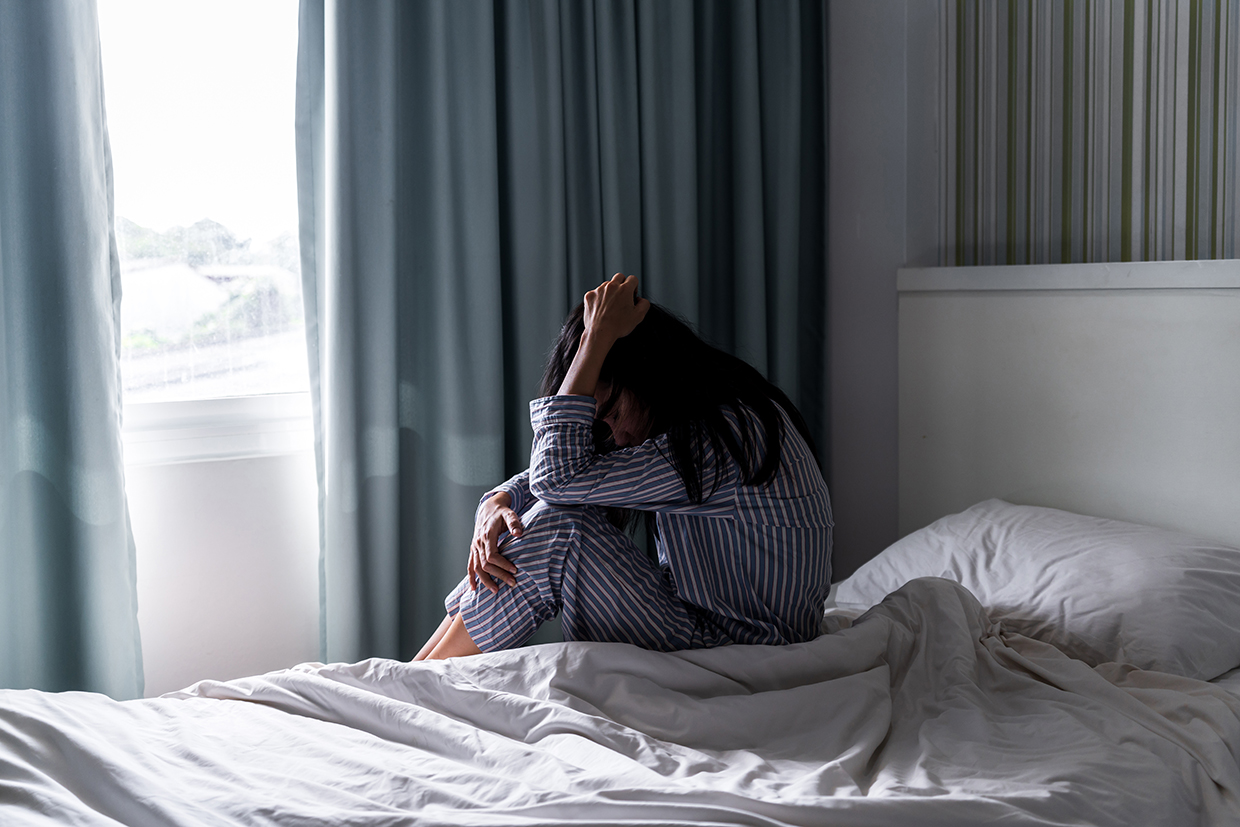

Depression is a common mental health condition involving a persistent low mood. It’s more than just a bad day or feeling sad. Depression involves intense, sad or depressed feelings last more than two weeks and affect how we live our lives.
If you have concerns you might be depressed it’s important to speak to someone you trust or your doctor. Help is available and effective.
What are the symptoms of depression?
Symptoms vary between individuals and may be physical or psychological.
Physical symptoms may include:
• Changes in appetite or weight
• Poor sleep or excessive sleep
• Difficulty concentrating
• Fatigue
• Low libido
Psychological symptoms may include:
• Feeling sad, tearful, anxious or irritable
• Hopelessness or guilt
• Loss of motivation or enjoyment
• Withdrawal from social activities
• Thoughts of self-harm or suicide
If you ever feel unsafe or unable to cope, seek immediate help by calling 000 or Lifeline 13 11 14.
Types of depression
There are several types of depression. Most commonly:
• Major depressive disorder
• Persistent depressive disorder
• Psychotic depression
• Perinatal depression
• Seasonal affective disorder
• Premenstrual dysphoric disorder
Treatment approaches
Management for depression usually involves a combination of:
• Psychological therapies
• Medications
• Self-help and lifestyle strategies
The best approach depends on the severity of symptoms and individual needs.
Self-help and lifestyle treatments for depression
Healthy lifestyle habits can play a supportive role in overall wellbeing. These may include:
• Regular exercise
• Balanced nutrition
• Meditation or mindfulness
• Yoga or relaxation techniques
• Adequate sleep
• Avoiding alcohol and recreational drugs
• St Johns Wort*
*This herbal product has been studied for mild depression. It may interact with prescription medicines such as the oral contraceptive pill, so always speak with your doctor or pharmacist before using it.
Psychological therapies
Psychological therapies are often first-line treatments and can be delivered one-on-one, in groups or online. They help people understand thought patterns, recognise triggers, and develop coping skills.
Common examples include:
• Cognitive behavioural therapy (CBT): focuses on identifying and reframing unhelpful thoughts.
• Mindfulness-based therapy: encourages awareness of the present moment without judgement.
• Interpersonal therapy (IPT): explores the link between relationships and mood.
• Other approaches such as Acceptance and Commitment (ACT) therapy, positive psychology, or psychotherapy.
Many people also find digital mental-health programs helpful for mild-to-moderate symptoms. These online resources can complement face-to-face therapy.
Medications
If psychological and lifestyle strategies aren’t sufficient, your doctor may discuss medication options.
Only a registered healthcare professional can determine if these are appropriate for you.
Antidepressants
Common classes include:
• Selective serotonin reuptake inhibitors (SSRIs)
• Serotonin and noradrenaline reuptake inhibitors (SNRIs)
• Tricyclic antidepressants (TCAs)
• Monoamine oxidase inhibitors (MAOIs)
Finding the right medicine may take time. Side effects vary and your doctor will review these with you. Antidepressants usually take several weeks to work and should not be stopped suddenly.
Mood stabilisers
Used mainly in bipolar disorder to reduce mood-swing frequency and severity. These are typically prescribed under specialist supervision.
Other management for depression. In certain cases, specialist-guided treatments such as electroconvulsive therapy (ECT) or repetitive transcranial magnetic stimulation (rTMS) may be considered.
Emerging and alternative therapies
When standard treatments have not been effective or well tolerated, doctors may explore alternative or emerging options.
These include therapies that act on different biological systems and may only be prescribed under specific circumstances, following Therapeutic Goods Administration (TGA) approval. Your doctor can discuss whether any emerging therapies are appropriate in your situation.
Finding support and moving forward
Depression can feel isolating, but it’s important to remember that effective support is available. With the right combination of professional care, therapy and lifestyle changes, most people recover or learn to manage their symptoms successfully.
If you think you may be experiencing depression, speak with your GP or a qualified mental-health professional. Seeking help early can make a real difference.
If you ever feel unsafe or unable to cope, please call 000 or reach out to Lifeline on 13 11 14 for immediate support.
References
• Black Dog Institute. Depression – Treatment Options.
• Childs E et al. Drug Alcohol Depend 2017; 177:136–144.
• Cutler C et al. J Affect Disord 2018; 235:198–205.
• Stith SS et al. Front Pharmacol 2018; 9:916.
Disclaimer: This information is not intended to be used as medical advice or a substitute for your own practitioner’s advice, nor is it intended to be used for diagnosis or treatment for any illness/disease.